
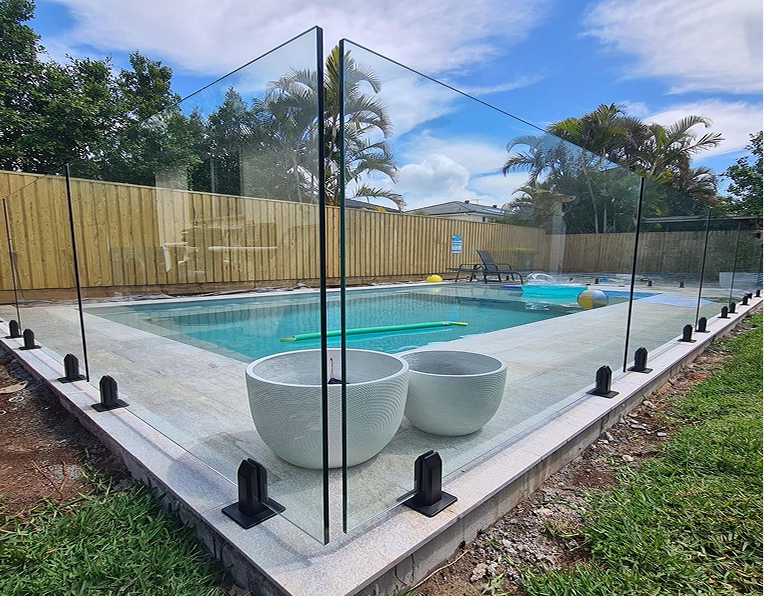
Home » Pool Fencing Regulations: What You Need to Know
Navigate the complex landscape of pool compliance with confidence. Owning a backyard pool offers endless relaxation, but understanding pool fencing regulations is essential to keep your backyard oasis safe, secure, and fully compliant with local laws.
Why Pool Fencing Regulations Matter
Proper pool barriers significantly reduce the risk of accidental drownings, particularly among young children. Local government codes enforce strict safety standards to ensure every residential swimming pool is properly restricted from unauthorized access.
Essential Pool Safety and Compliance Requirements
While specific codes vary by location, standard pool fencing regulations generally require the following features:
- Minimum Height: Fences must typically measure at least 4 feet (1.2 meters) high from the outside ground level.
- Gap and Bar Spacing: Vertical gaps or mesh openings should not exceed 4 inches (10 cm) to prevent children from squeezing through.
- Self-Closing and Self-Latching Gates: Access gates must open outward (away from the pool) and feature self-closing, self-latching mechanisms.
- Clear Safety Zone: Structures, furniture, or trees must be kept away from the exterior fence line to eliminate potential climbing hazards.
How to Ensure Your Pool Fence Remains Compliant
Follow these practical steps to meet all safety standards and avoid costly fines:
- Check Local Building Codes: Verify municipal requirements before selecting materials or starting installation.
- Hire Certified Installers: Partner with licensed fencing contractors experienced in local pool compliance.
- Perform Regular Maintenance: Inspect latches, hinges, and fence panels frequently to guarantee proper operation year-round.